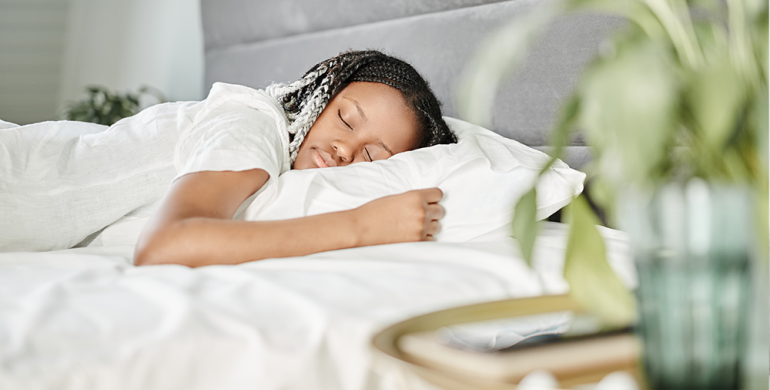
The Science of Sleep: Best Steps to Prepare for a Good Night’s Rest
/
/
The Science of Sleep: Best Steps to Prepare for a Good Night’s Rest

The Science of Sleep: Best Steps to Prepare for a Good Night’s Rest

Sleep is a fundamental aspect of our lives, crucial for physical, mental, and emotional well-being. Yet, in today’s fast-paced world, many of us struggle to get the quality and quantity of sleep we need. According to the National Sleep Foundation, adults should aim for 7-9 hours of sleep per night for optimal health and performance. To achieve this, it’s essential to prepare your body and mind for a restful night’s sleep. In this research blog article, we will explore the best steps to take to prepare yourself for the best sleep, backed by scientific evidence.

Create a Consistent Sleep Schedule

One of the most crucial factors for achieving better sleep is to establish a regular sleep schedule. Your body has its own internal clock, known as the circadian rhythm, which regulates the sleep-wake cycle. Going to bed and waking up at the same time every day, even on weekends, helps sync your circadian rhythm, making it easier to fall asleep and wake up feeling refreshed.

“Research suggests that irregular sleep patterns can disrupt your circadian rhythm, leading to sleep problems and fatigue”

Reutrakul & Knutson

2015, National Library of Medicine

Design a Relaxing Bedtime Routine

Engaging in a relaxing bedtime routine can signal to your body that it’s time to wind down. Activities such as reading, taking a warm bath, or practicing relaxation techniques like deep breathing can promote relaxation and help you prepare for sleep.

Studies have shown that a bedtime routine can improve sleep quality and reduce the time it takes to fall asleep (Grandner et al., 2010).

Create a Sleep-Conducive Environment

Your sleep environment plays a significant role in the quality of your sleep. Make sure your bedroom is comfortable, cool, dark, and quiet. Consider investing in a comfortable mattress and pillows to support good sleep posture.

Research has highlighted the importance of bedroom environment for sleep quality and duration (Chaput et al., 2010).

Limit Exposure to Screens Before Bed

The blue light emitted by screens from phones, tablets, and computers can interfere with your body’s production of melatonin, a hormone that regulates sleep. To prepare for better sleep, it’s advisable to limit screen time at least an hour before bedtime.

Several studies have shown that screen time before bed can disrupt sleep patterns and decrease sleep quality (Chang et al., 2015).

Watch Your Diet and Caffeine Intake

What you eat and drink can significantly impact your sleep. Avoid large meals, caffeine, and alcohol close to bedtime, as they can disrupt your sleep cycle. Instead, opt for light, sleep-friendly snacks if needed.

Research indicates that certain foods and drinks can have negative effects on sleep quality and duration (Gupta et al., 2018).

Get Regular Exercise

Regular physical activity can promote better sleep. Engaging in moderate-intensity exercise several times a week has been shown to improve sleep duration and quality.

Numerous studies have demonstrated the positive effects of exercise on sleep (Kredlow et al., 2015).

Conclusion

Getting a good night’s sleep is essential for your overall health and well-being. By following these evidence-based steps to prepare yourself for better sleep, you can improve your sleep quality and reap the numerous benefits of restorative sleep. Remember that consistency and patience are key, as it may take some time for your body to adjust to these changes. Prioritizing sleep and making these adjustments to your routine will help you wake up feeling refreshed and ready to tackle the day ahead.

References:

  1. Reutrakul, S., & Knutson, K. L. (2015). Consequences of circadian disruption on cardiometabolic health. Sleep Medicine Clinics, 10(4), 455-468.
  2. Grandner, M. A., Kripke, D. F., Yoon, I. Y., & Youngstedt, S. D. (2010). Criterion validity of the Pittsburgh Sleep Quality Index: Investigation in a non-clinical sample. Sleep and Biological Rhythms, 8(4), 274-276.
  3. Chaput, J. P., Dutil, C., & Sampasa-Kanyinga, H. (2010). Sleeping hours: what is the ideal number and how does age impact this? Nature and Science of Sleep, 2, 259-266.
  4. Chang, A. M., Aeschbach, D., Duffy, J. F., & Czeisler, C. A. (2015). Evening use of light-emitting eReaders negatively affects sleep, circadian timing, and next-morning alertness. Proceedings of the National Academy of Sciences, 112(4), 1232-1237.
  5. Gupta, L., Morgan, K., & Gilchrist, S. (2018). Does eating and drinking in the evening affect the sleep of primary-school children? A randomized controlled trial. British Journal of Nutrition, 119(4), 431-440.
  6. Kredlow, M. A., Capron, L., Hearon, B. A., Calkins, A. W., & Otto, M. W. (2015). The effects of physical activity on sleep: a meta-analytic review. Journal of Behavioral Medicine, 38(3), 427-449.
Share this post

Start typing and press Enter to search

Shopping Cart

No products in the cart.